Goshuincho 5 — Shikoku, Sanyō & Chūbu
This goshuincho features a charming stack-of-seven-cats Shichifukujin (七福神 / Seven Lucky Gods) illustration on the front cover with the title 御朱印帳 (Goshuincho) in red brushwork. Each cat carries an attribute of one of the Seven Lucky Gods — biwa lute (Benzaiten), sea bream (Ebisu), club / hammer / scroll, etc. The back cover shows two laughing red sea bream (鯛 / tai) facing each other over a small red square seal reading 「おめでたい」/「鯛」 — a pun on omedetai ("auspicious / congratulations") and tai (sea bream). Both covers are unsigned by an issuing shrine; this is a commercial goshuincho with auspicious-fortune themed designs.
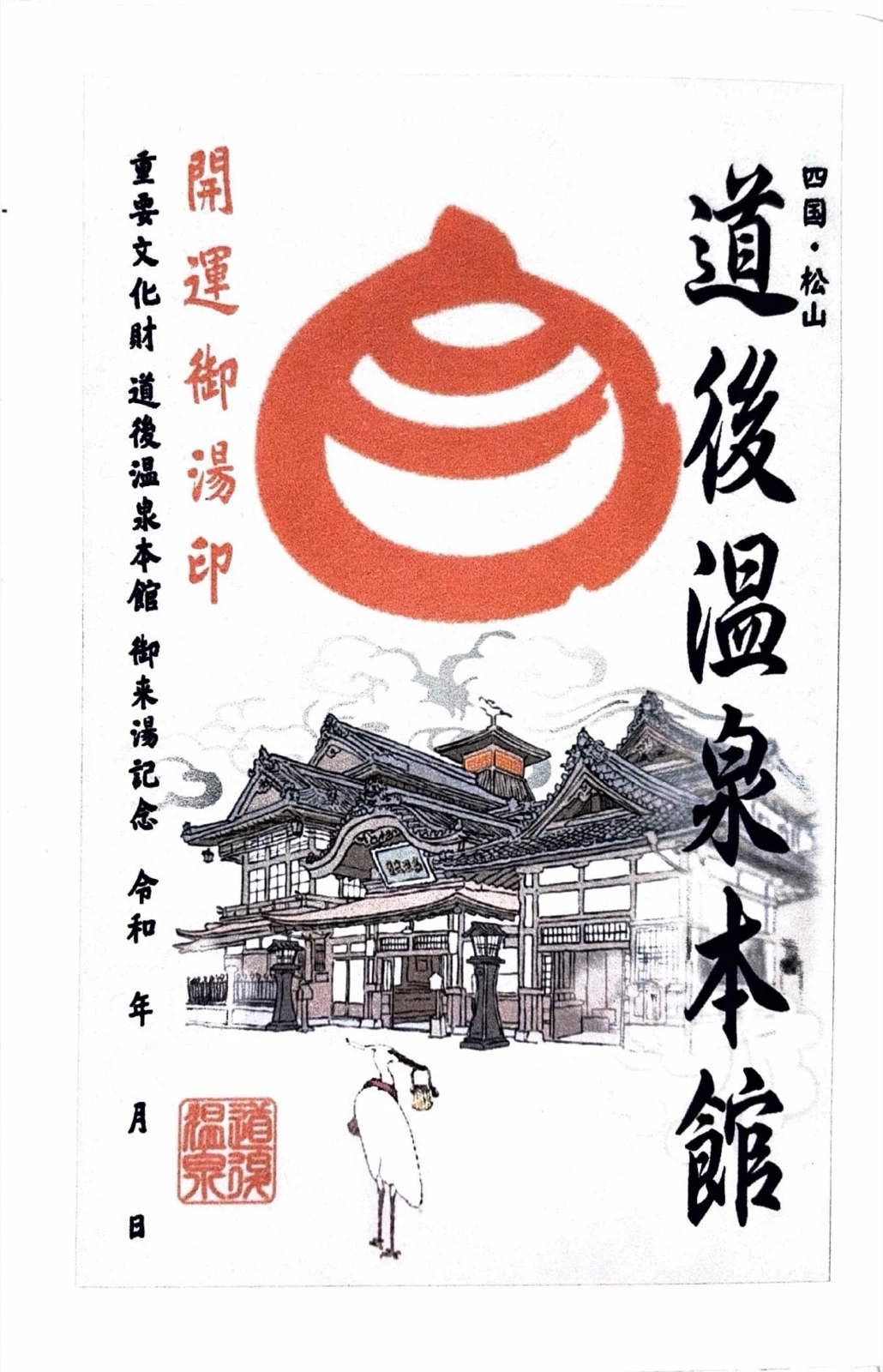 #01
#01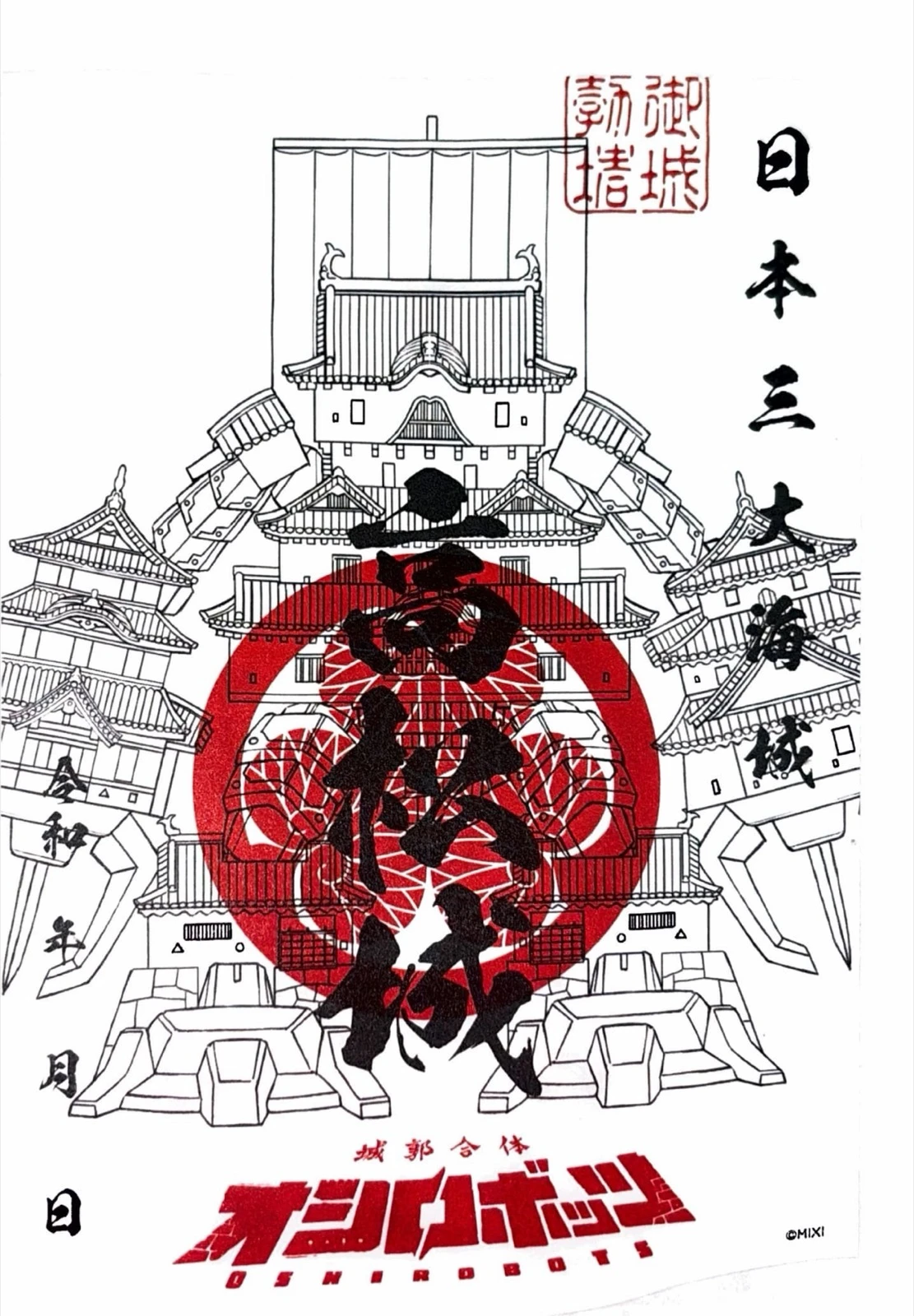 #02
#02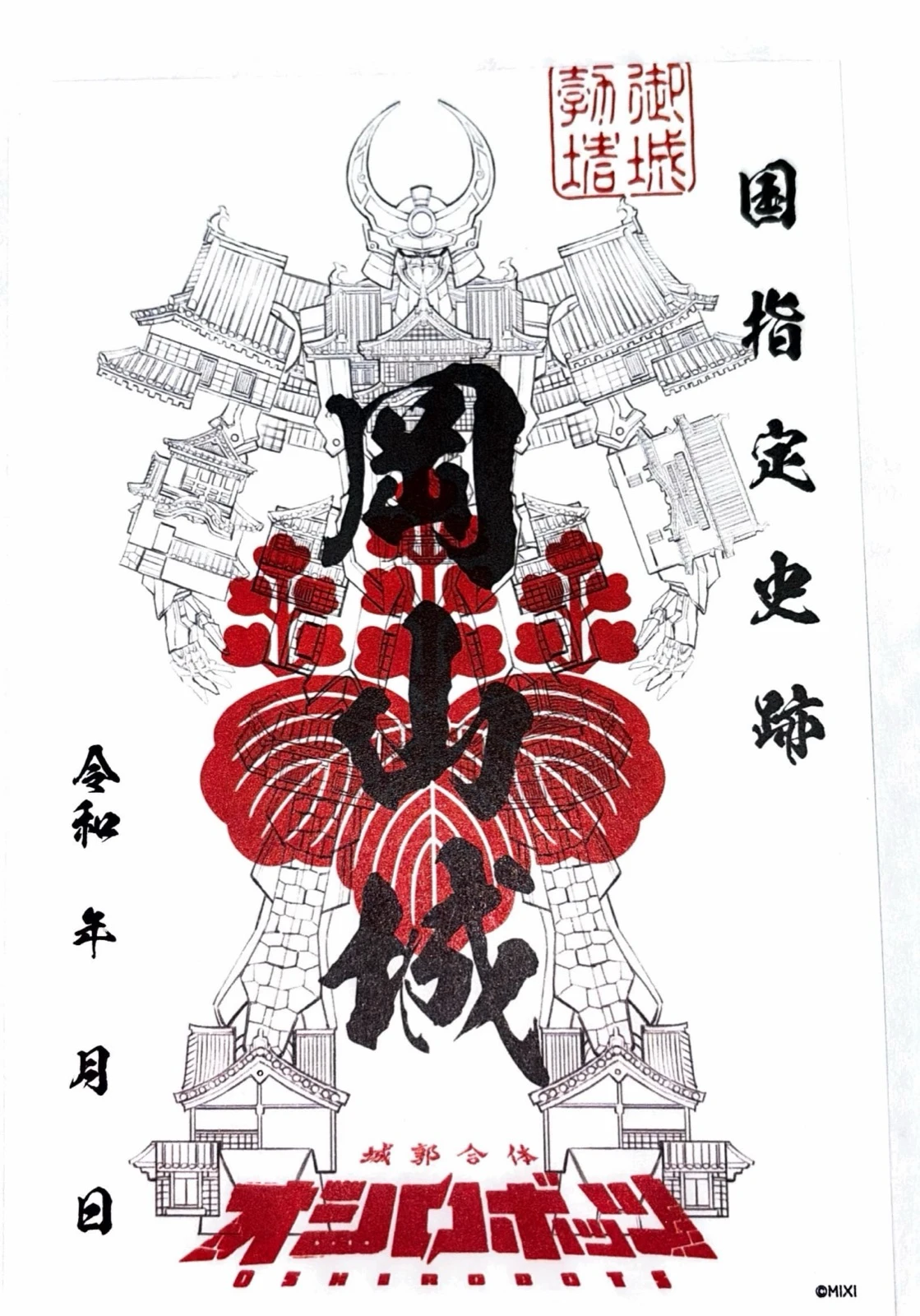 #03
#03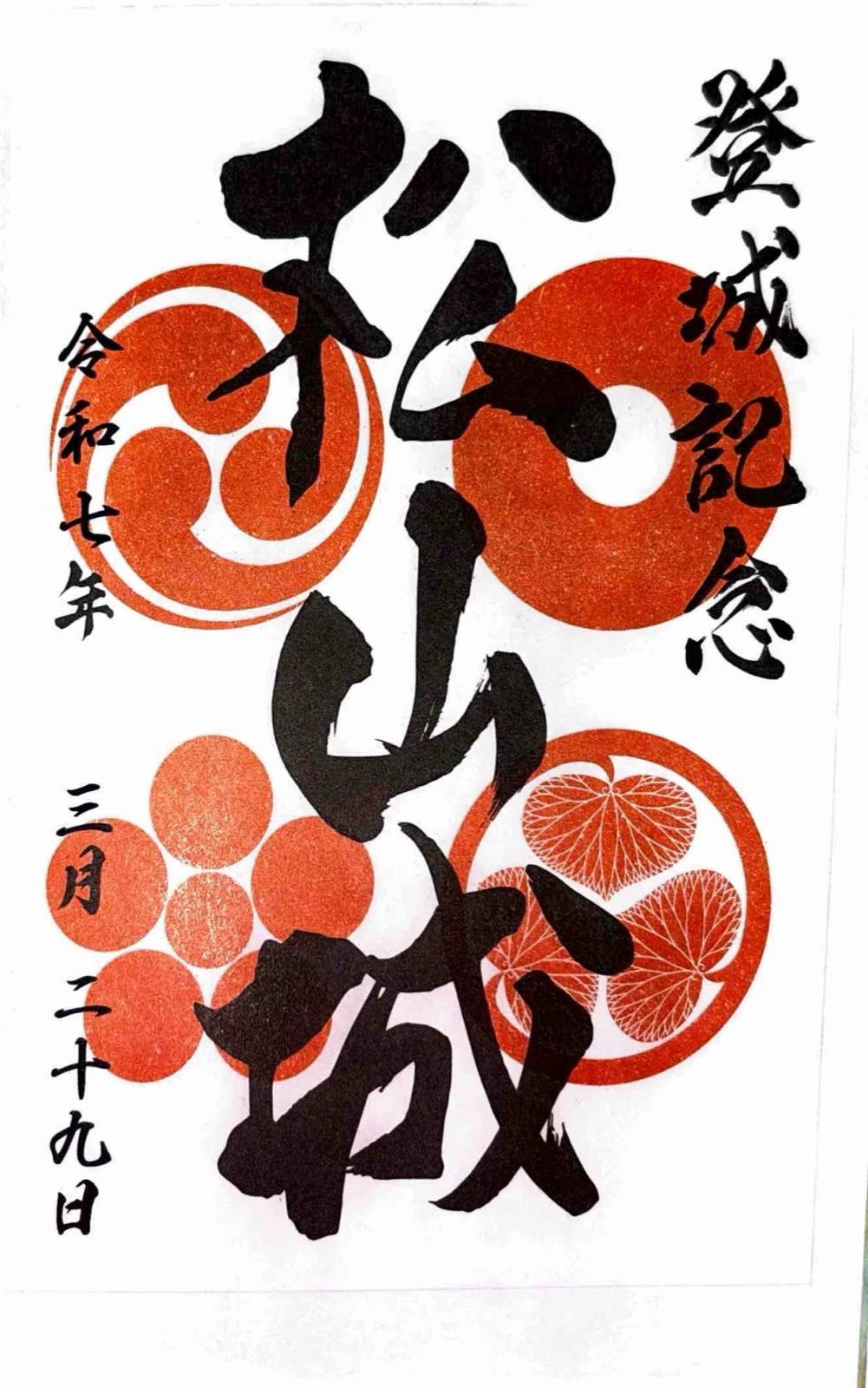 #04
#04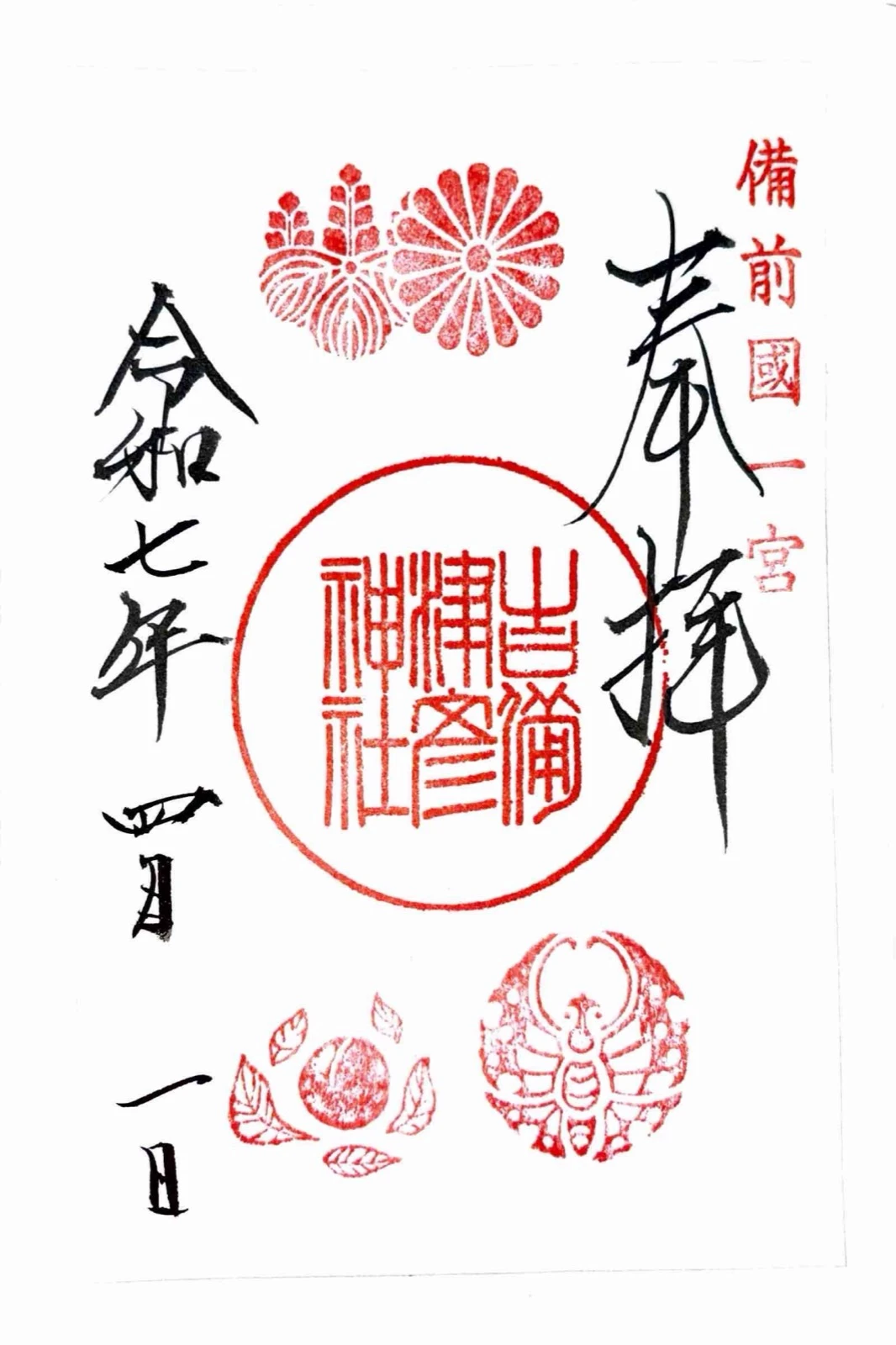 #05
#05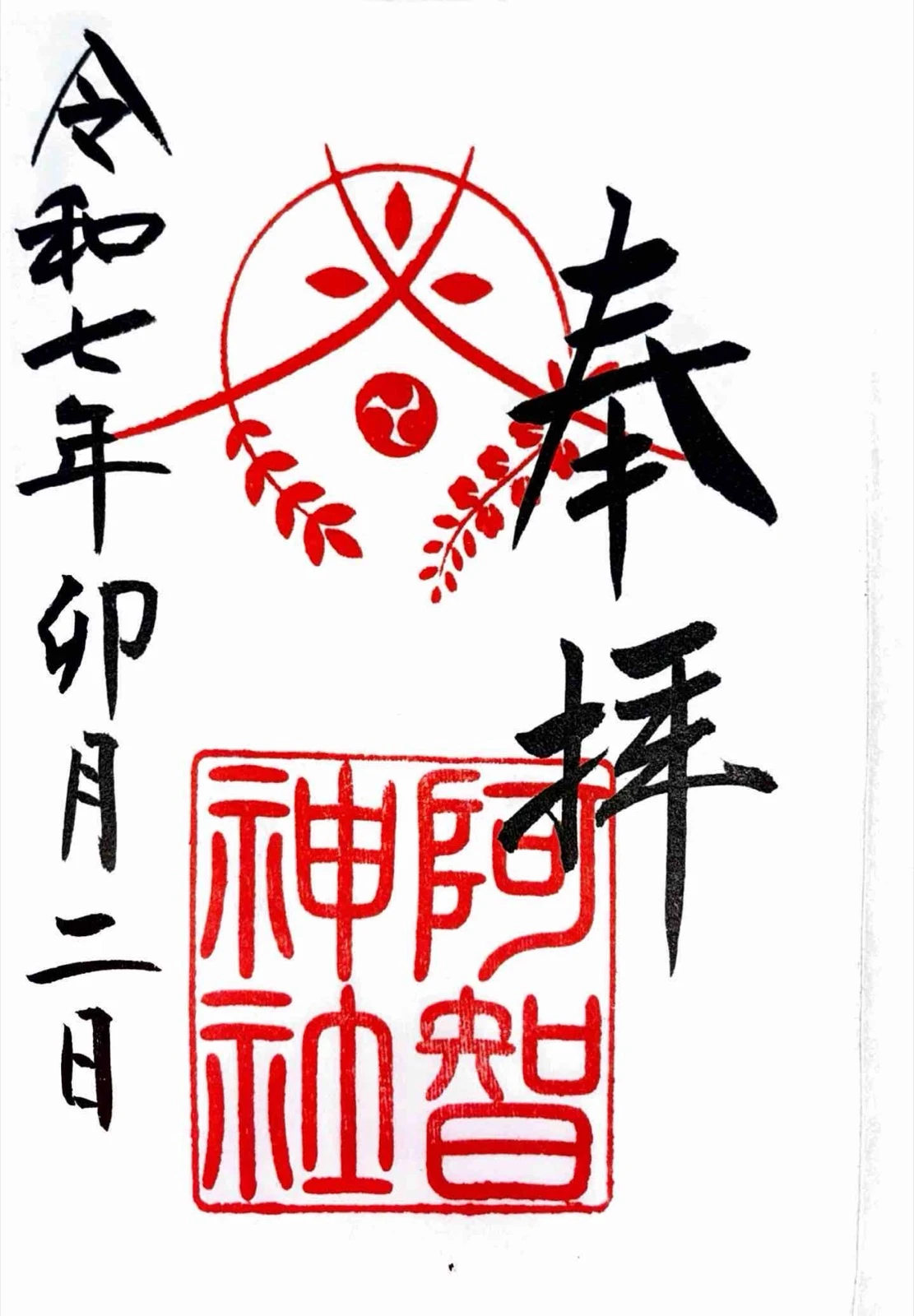 #06
#06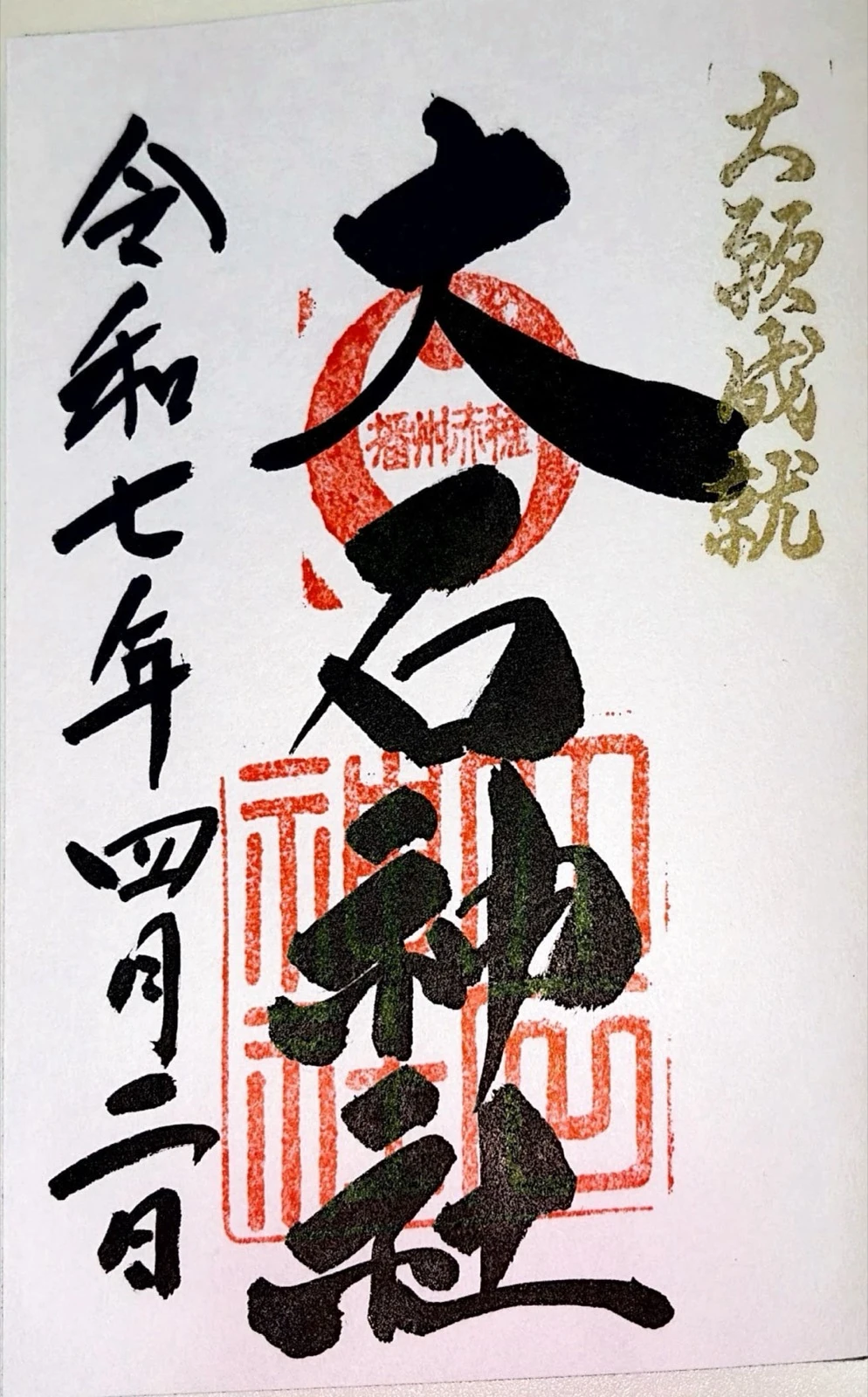 #07
#07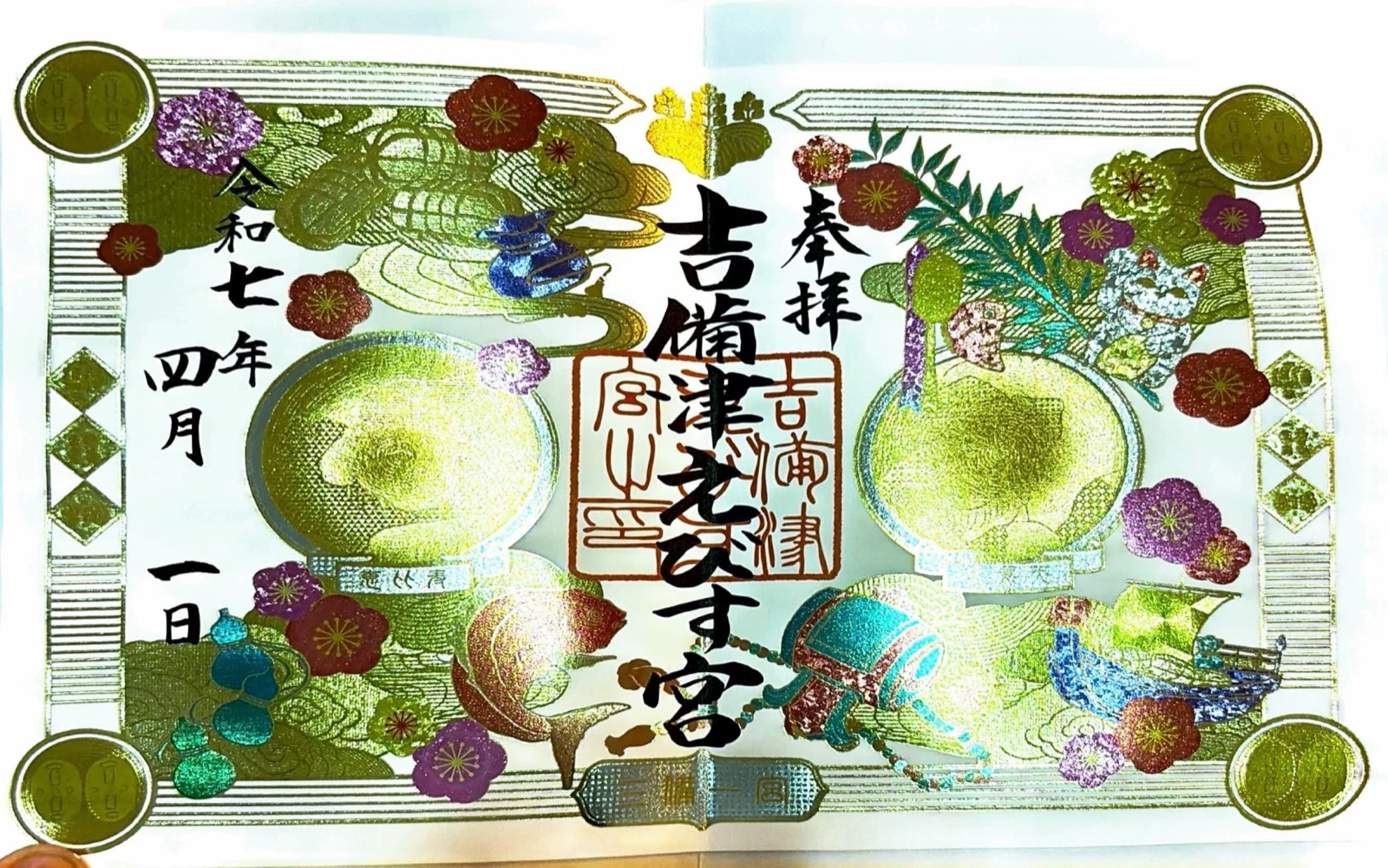 #08
#08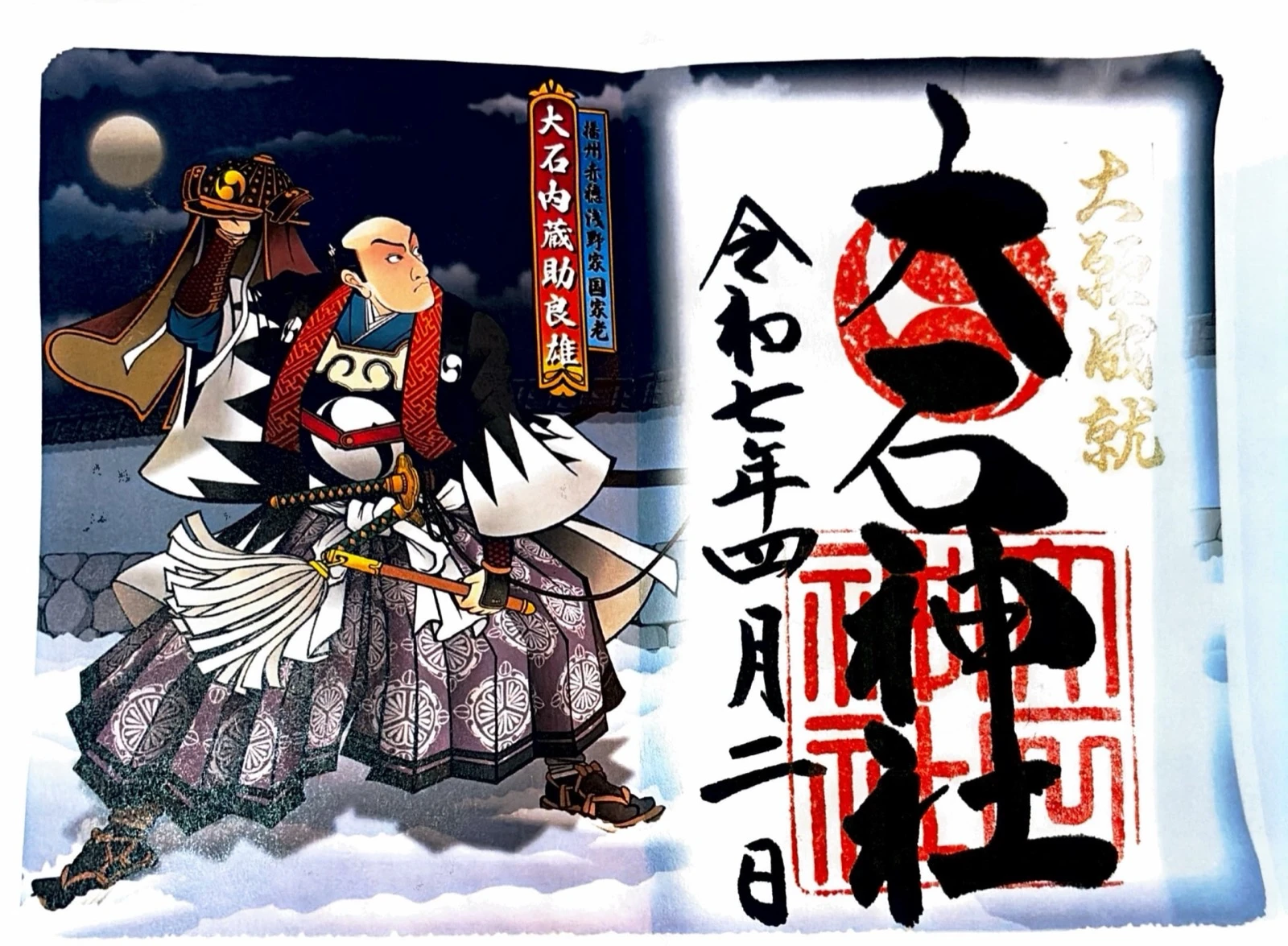 #09
#09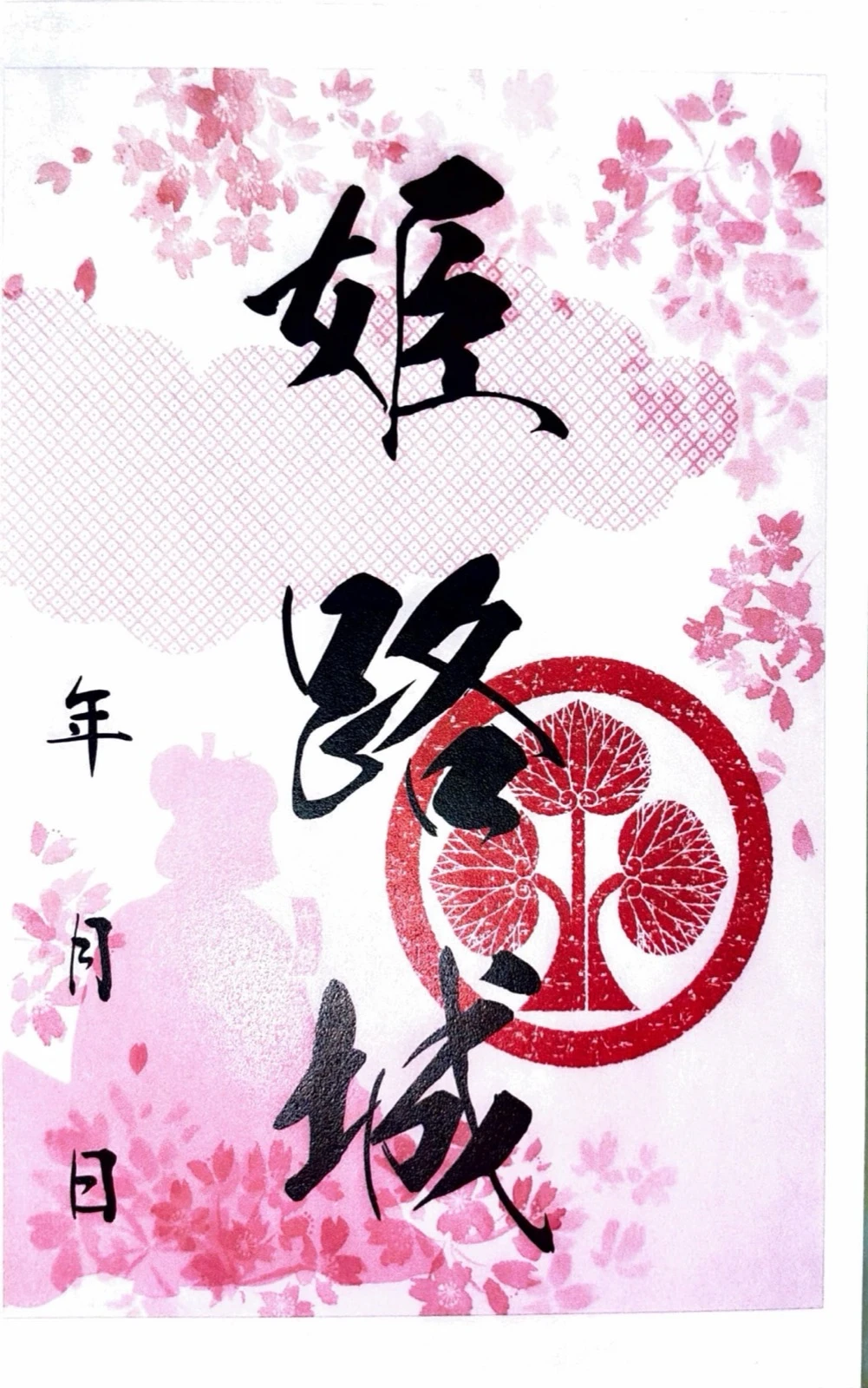 #10
#10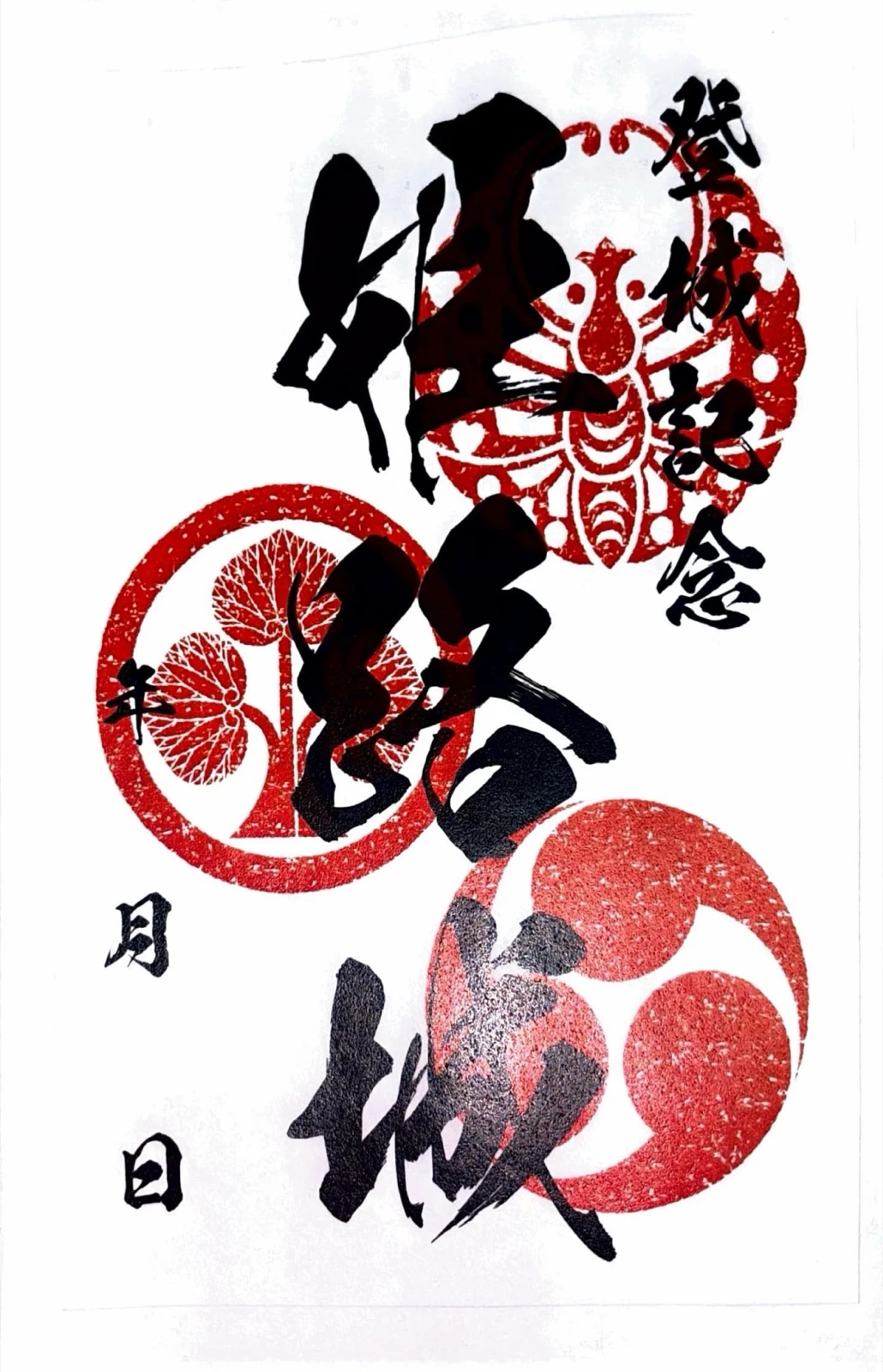 #11
#11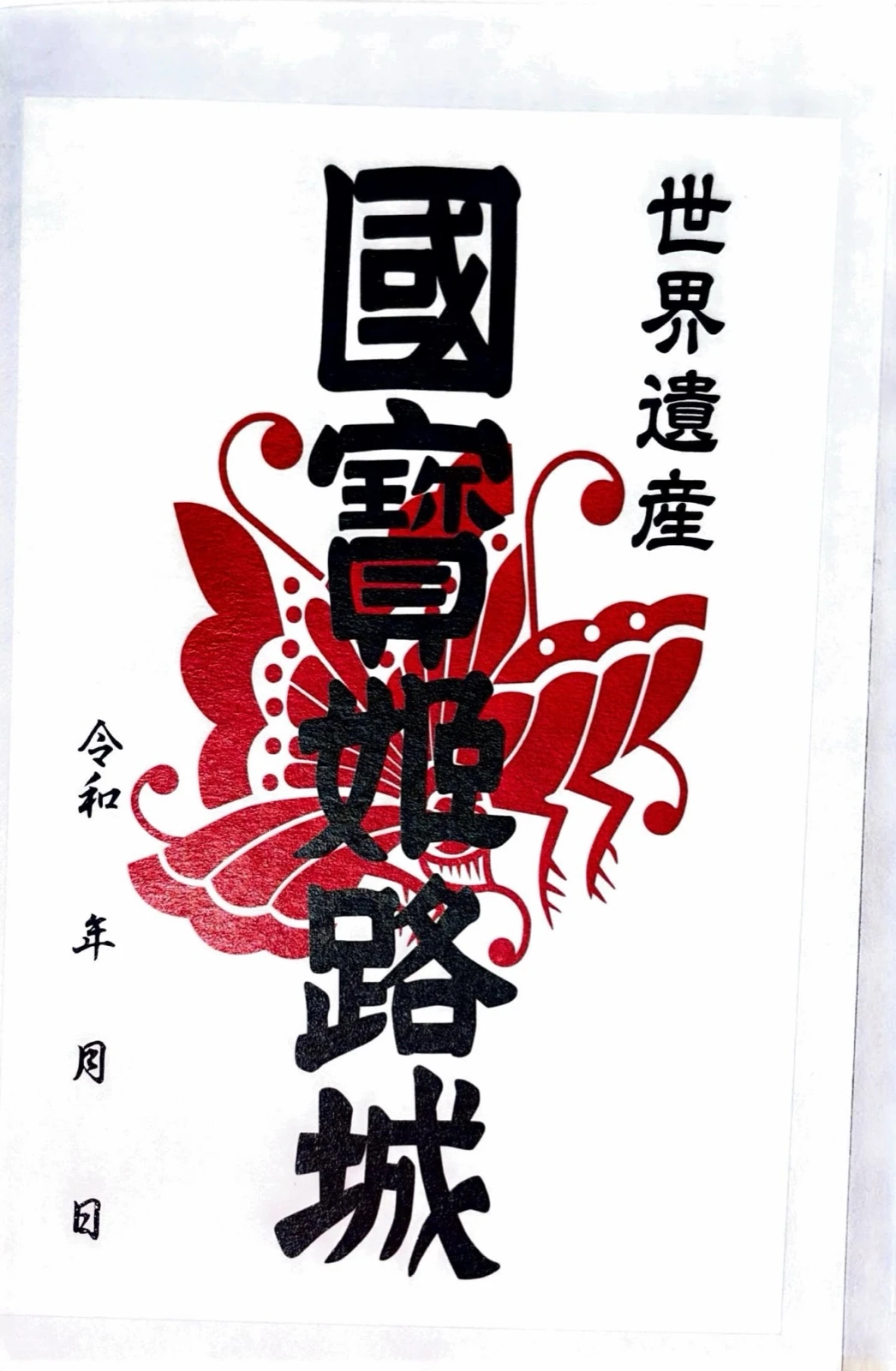 #12
#12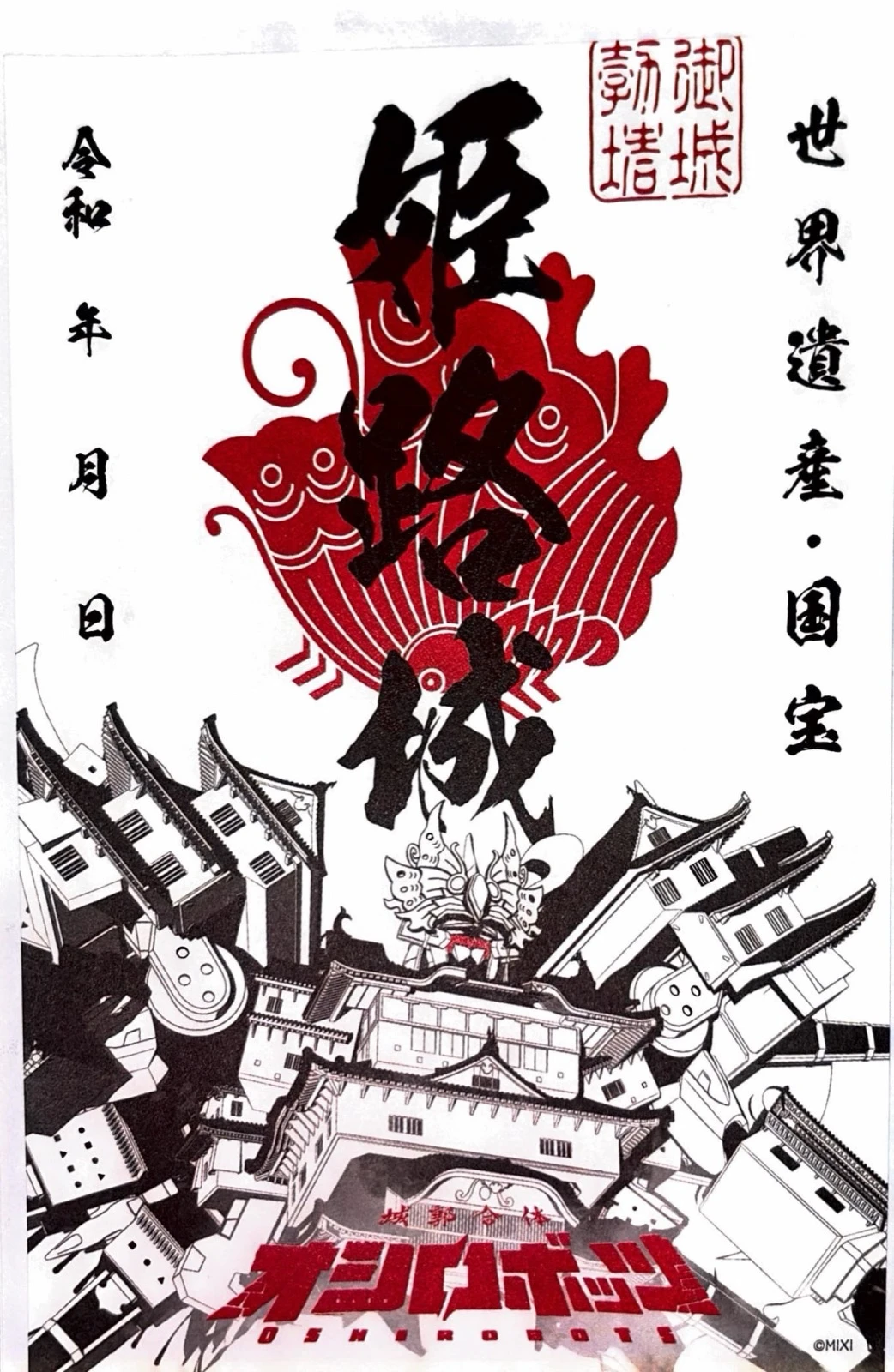 #13
#13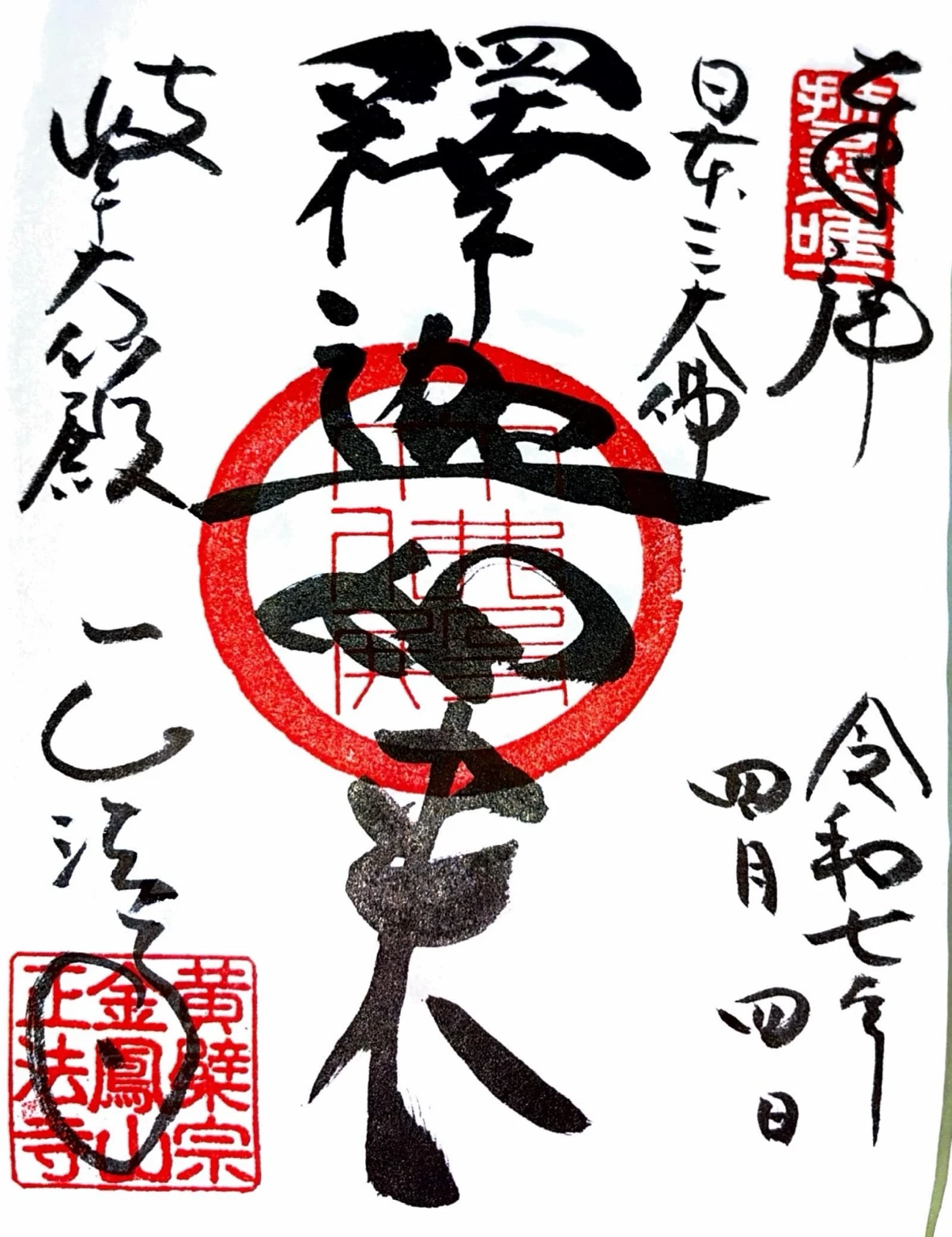 #14
#14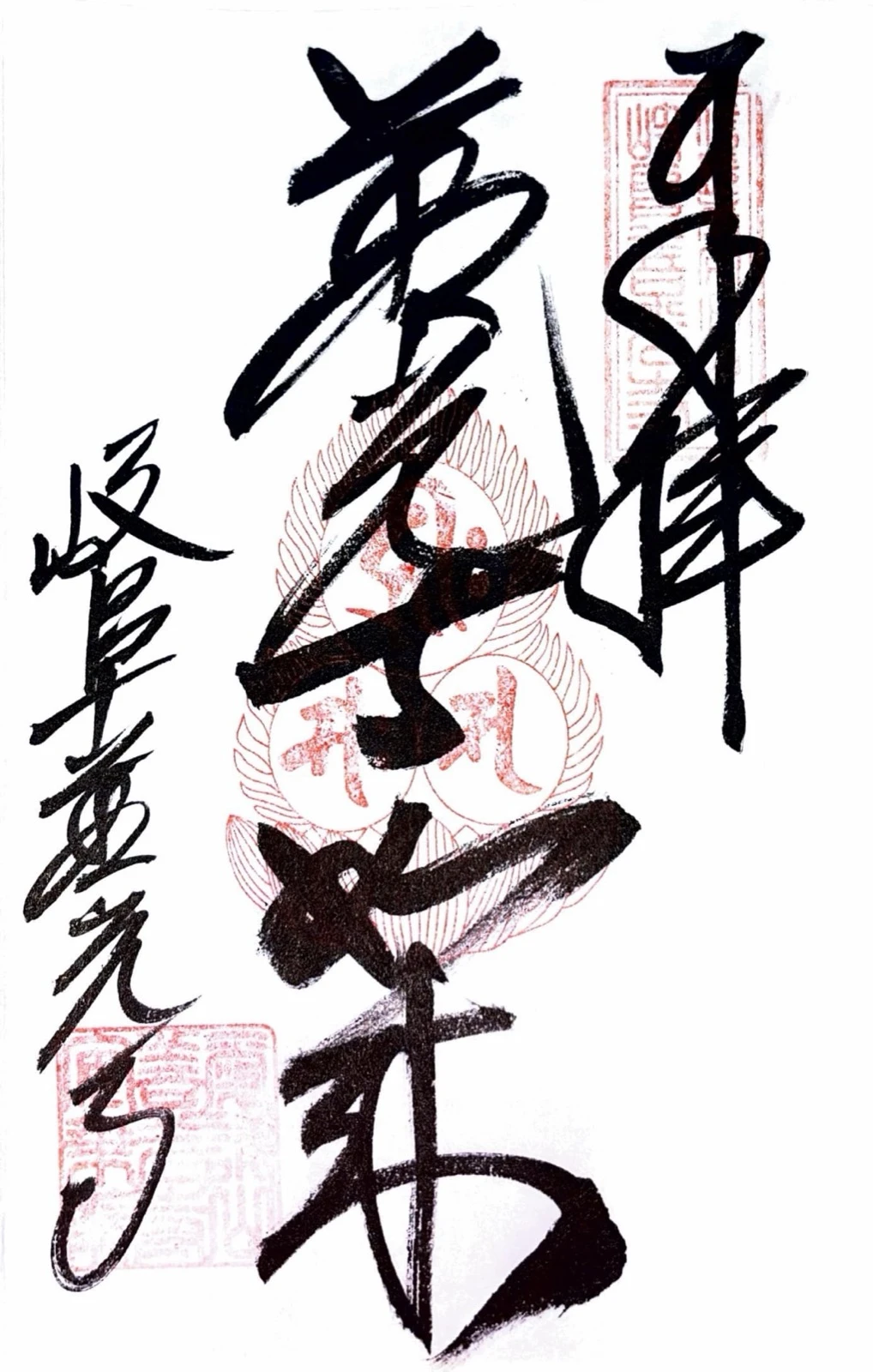 #15
#15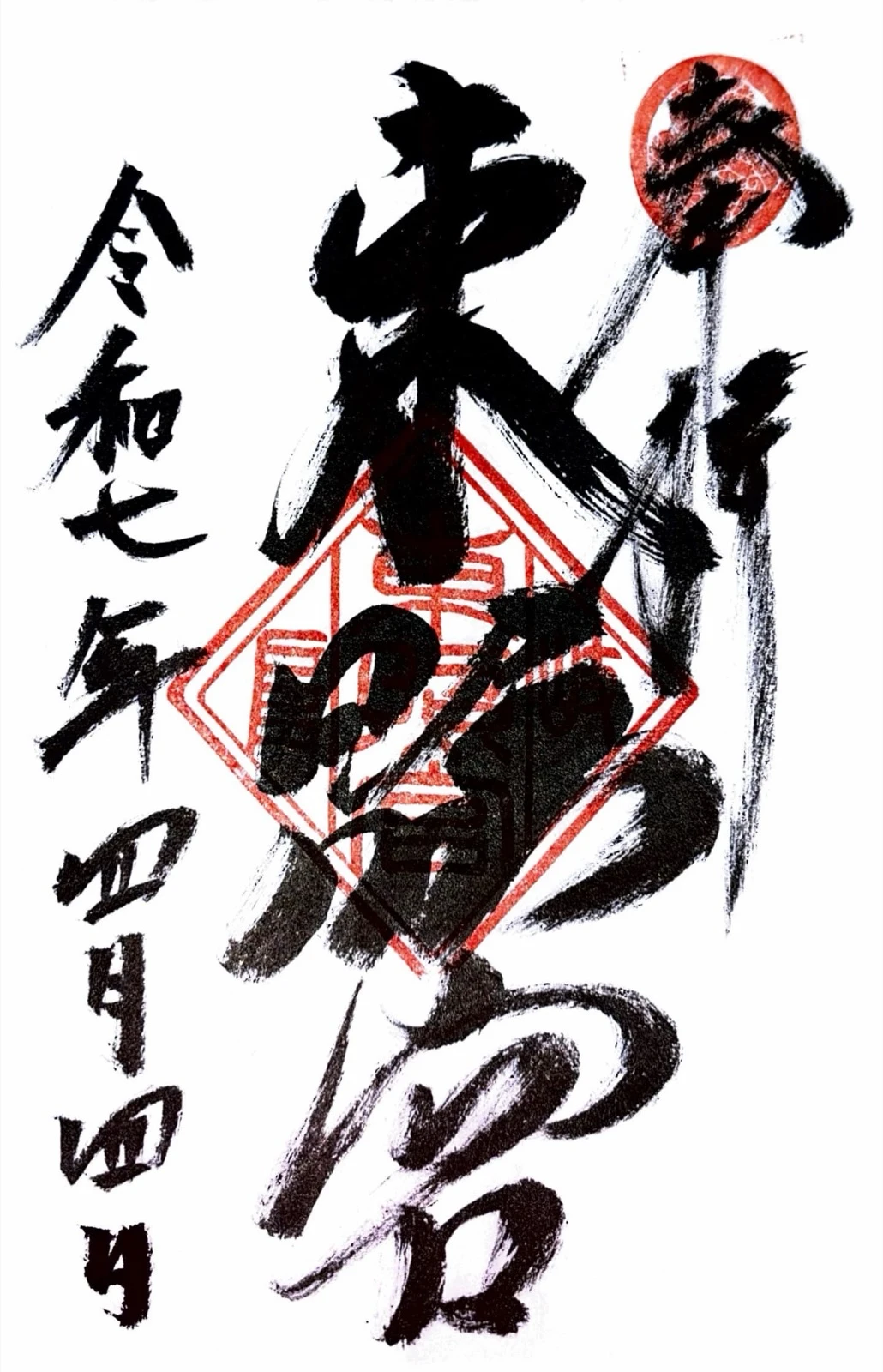 #16
#16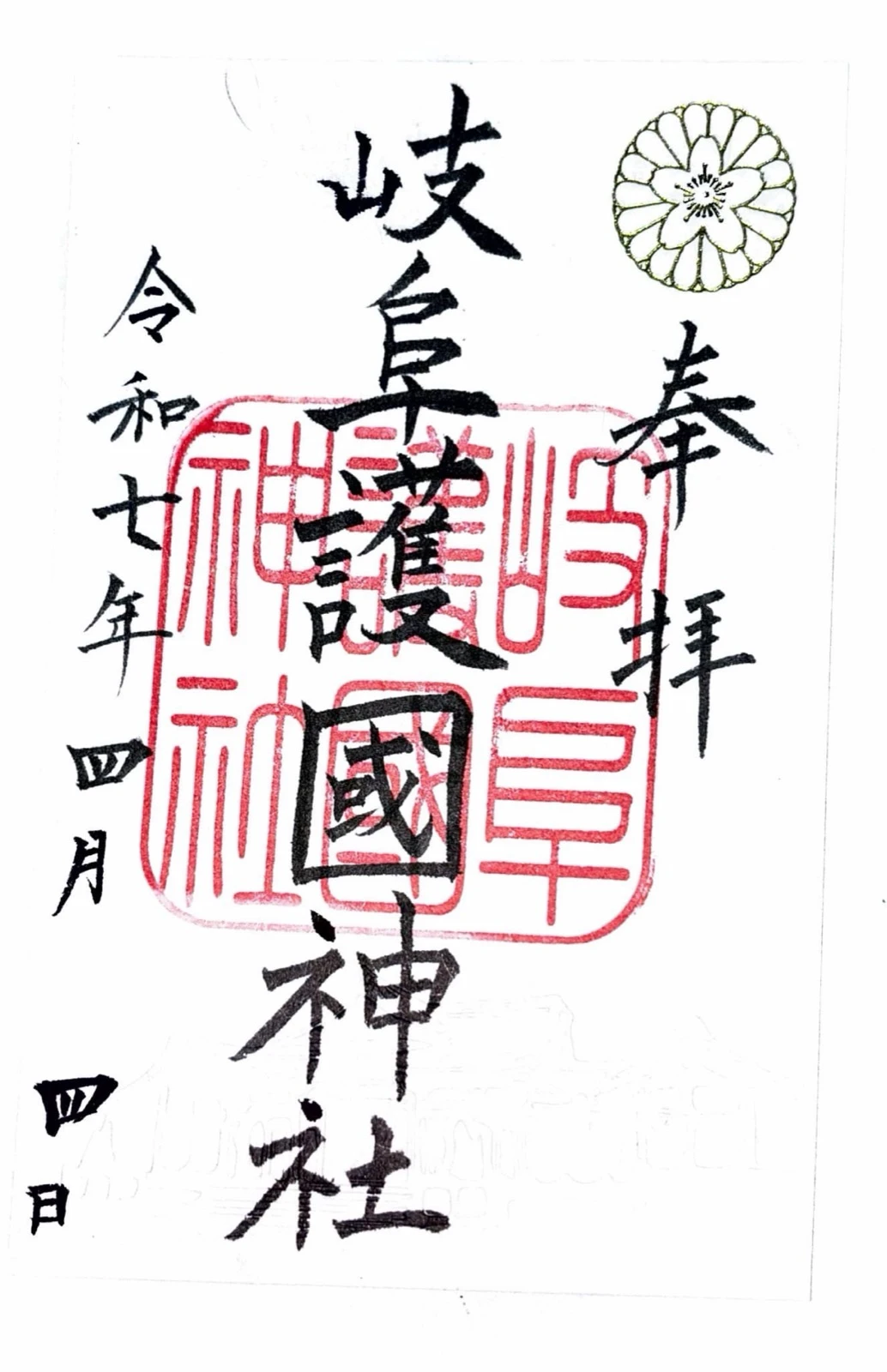 #17
#17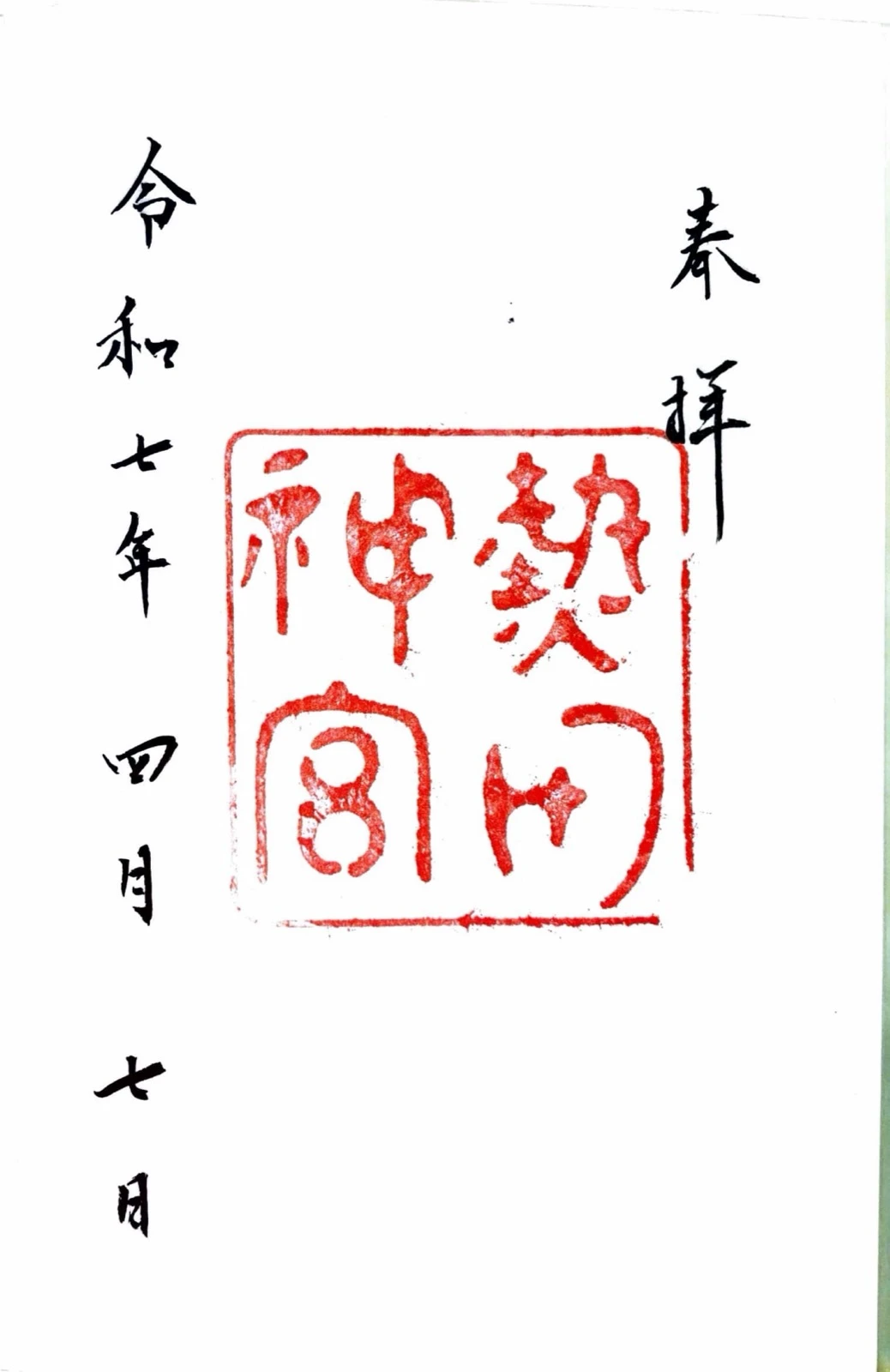 #18
#18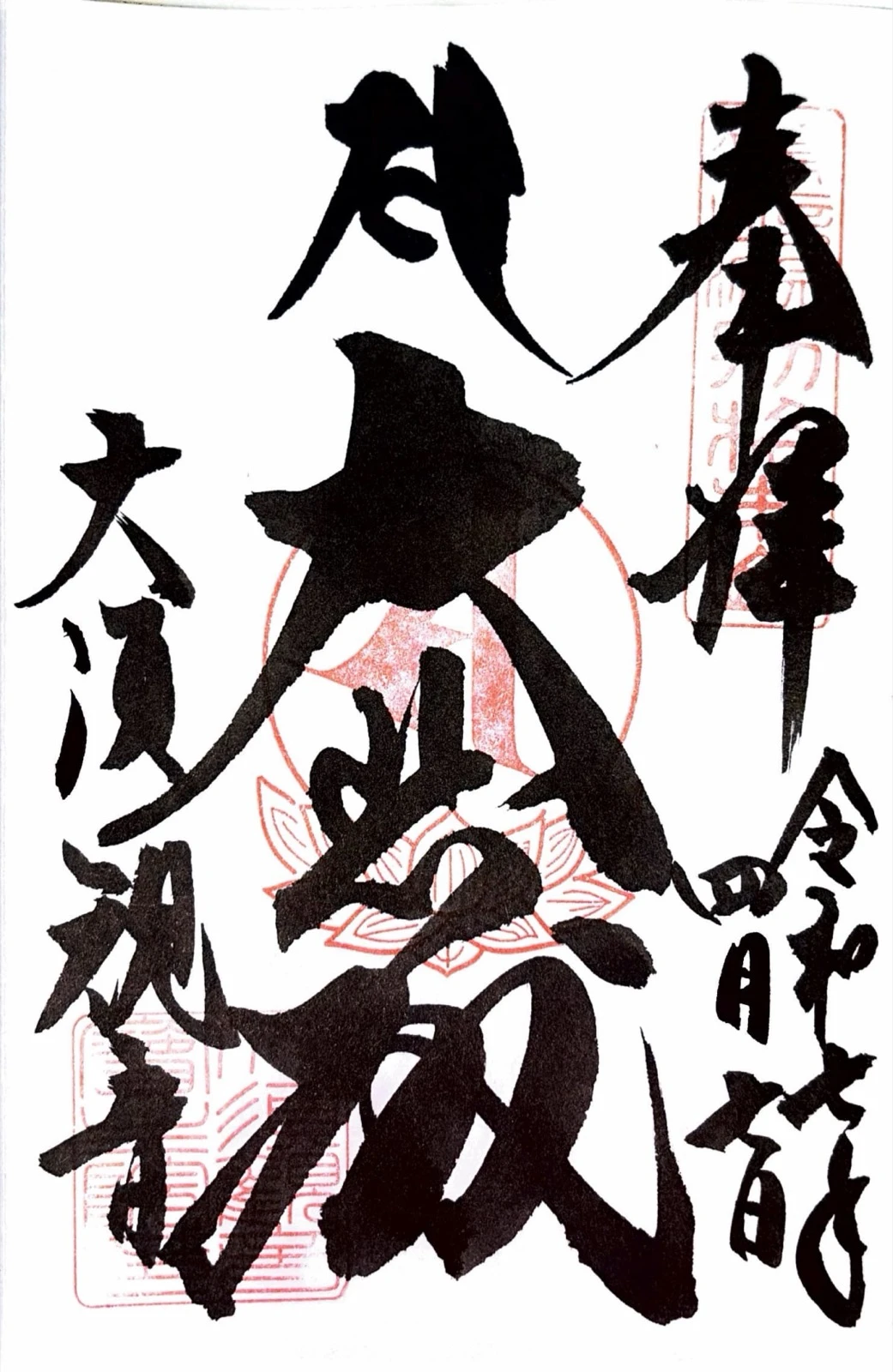 #19
#19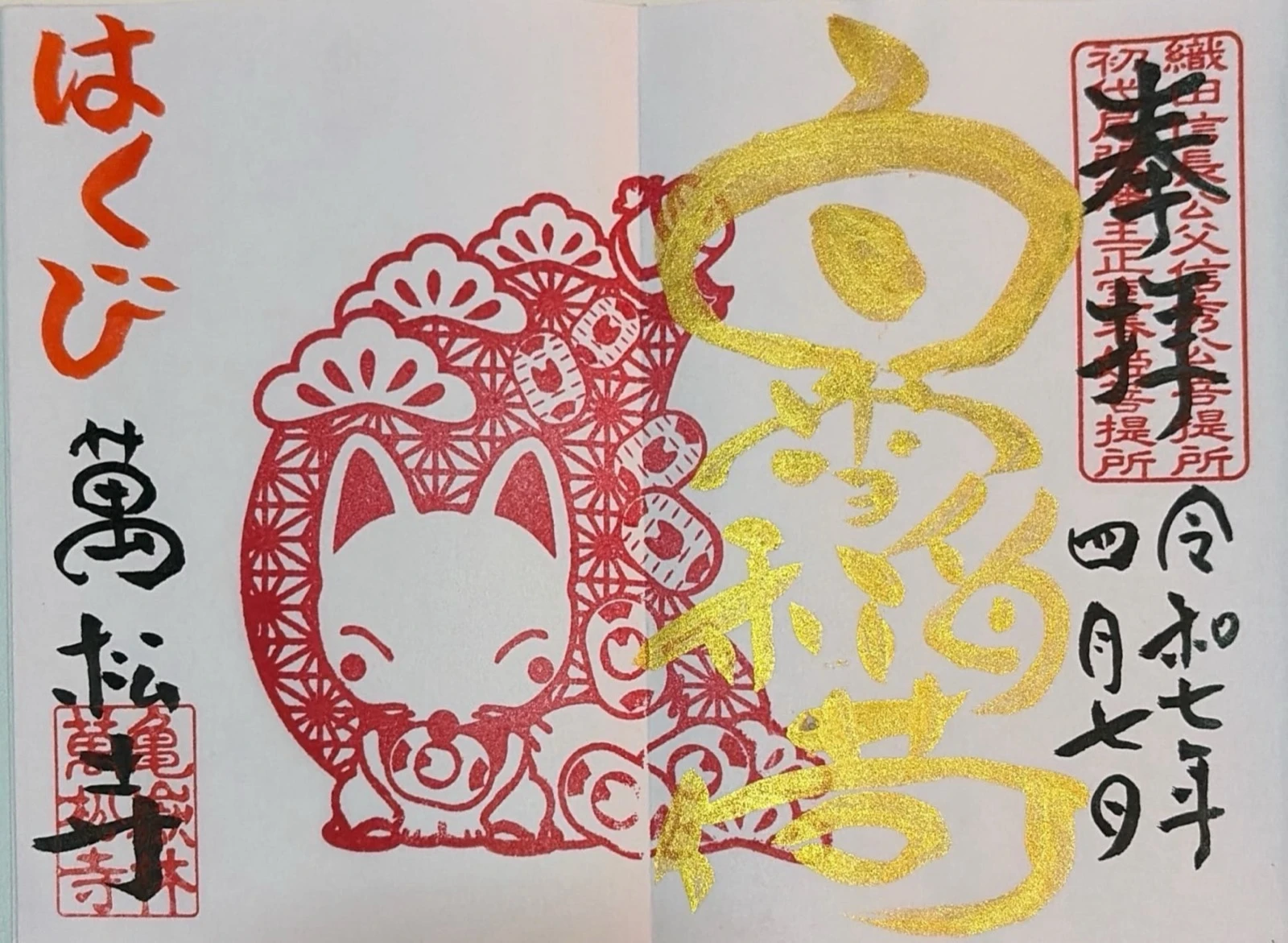 #20
#20Quick context — what's in this book
This goshuincho documents a single, intensive ~10-day late-March/early-April 2025 trip through the Seto Inland Sea region and central Japan, covering Shikoku → Okayama → Hyōgo (Akō, Himeji) → Gifu → Nagoya. The trip overlapped with cherry-blossom season, evident in the many sakura-themed limited gojōin and the timing.
Trip itinerary (reconstructed from goshuin dates)
| Date | Location | Stamps |
|---|---|---|
| ~28 Mar 2025 | Matsuyama, Ehime (Shikoku) | #01 Dōgo Onsen Honkan |
| 29 Mar 2025 | Matsuyama Castle | #04 Matsuyama Castle |
| ~30 Mar 2025 | Takamatsu, Kagawa (Shikoku) | #02 Takamatsu Castle |
| 1 Apr 2025 | Okayama (Bizen + Bichū Ichinomiya, plus the castle) | #05 Kibitsuhiko Jinja, #08 Kibitsu Ebisu-gū, #03 Okayama Castle |
| 2 Apr 2025 | Kurashiki + Akō (Hyōgo) | #06 Achi Jinja, #07 Akō Ōishi Jinja, #09 Akō Ōishi Jinja Kuranosuke |
| ~3 Apr 2025 | Himeji, Hyōgo (Himeji Castle, multiple gojōin variants collected in one visit) | #10, #11, #12, #13 (4 Himeji Castle stamps) |
| 4 Apr 2025 | Gifu City (Mount Kinka pilgrimage circuit) | #14 Gifu Daibutsu, #15 Gifu Zenkō-ji, #16 Gifu Tōshō-gū, #17 Gifu Gokoku Jinja |
| 7 Apr 2025 | Nagoya, Aichi | #18 Atsuta Jingū, #19 Ōsu Kannon, #20 Banshō-ji |
The trip arc is westernmost Shikoku → progressive east to Aichi — making this a deliberate Seto Inland Sea + Tōkaidō journey.
Notable items in this book
1. Multiple variants of Himeji Castle (4 stamps)
The user collected four different Himeji Castle gojōin in a single visit:
- #10 — Honda-family + sakura (West Bailey shop)
- #11 — Three-crest tōjō kinen version (West Bailey shop)
- #12 — Current Ikeda-family standard with WHS branding (main shop)
- #13 — OshiroBots mecha collaboration (limited stock)
This is one of the most ambitious single-castle gojōin sets in this collection — Himeji's gift shops actively encourage parallel collecting.
2. OshiroBots castle-mecha collaboration set
Three OshiroBots gojōin in this book — Takamatsu (#02), Okayama (#03), and Himeji (#13). The 城郭合体オシロボッツ franchise, launched December 2022 by MIXI ANIME, reimagines castles as transforming-mecha robots. Each design includes the standard 御城印 seal + the OshiroBot illustration + ©MIXI logo at the bottom.
3. Same-day double-collection at Akō Ōishi Jinja
#07 (standard goshuin) + #09 (Kuranosuke special spread) — both received on 2 April 2025. The shrine encourages this paired collection: standard for the temple identity, special for the Chūshingura narrative.
4. Two-page spreads
Three two-page spreads in this book:
- #08 — Kibitsu Ebisu-gū with elaborate gilt foil
- #09 — Akō Ōishi Jinja with full-color Kuranosuke print
- #20 — Banshō-ji with red kirie (paper-cut) Hakubi fox
5. Castle-keep climbing accomplishment — Matsuyama (#04)
Matsuyama Castle is one of Japan's 12 surviving original castle keeps (現存12天守) — wooden keeps surviving from the Edo period, distinguishing them from 20th-century concrete reconstructions. Adding Matsuyama to the user's collection (alongside any prior Inuyama, Hikone, Himeji, etc. visits) is a meaningful tally for castle-collectors.
6. Bizen vs. Bichū — both Ichinomiya of Kibi region
#05 Kibitsuhiko Jinja (Bizen 備前 ichinomiya) and #08 Kibitsu Ebisu-gū (sub-shrine of Bichū 備中 ichinomiya Kibitsu Jinja) were visited on the same day — a classic Okayama paired pilgrimage along the Kibi Bicycle Path through the Momotarō-legend landscape.
7. Kirie (paper-cut) goshuin at Banshō-ji (#20)
The Banshō-ji Hakubi kirie goshuin is one of the most artistically sophisticated stamps in this collection — physically cut from washi rather than printed. Banshō-ji is a leading temple in this modern goshuin trend.
8. Highest-tier shrines
#18 Atsuta Jingū is the second-most prestigious Shinto shrine in Japan (after Ise Jingū), enshrining the Kusanagi sacred sword, one of the Three Imperial Regalia. Its goshuin is famously minimalist — 奉拝 + central seal + date — reflecting the gravity of what's enshrined.
9. Religious + secular mix
This book mixes 8 Shinto shrines (some Imperial-ranked), 6 Buddhist temples (Ōbaku Zen, Shingon Daigo, Shingon Chizan, Sōtō Zen — four different sects), 5 castle stamps, and 1 hot-spring bath stamp (goyu-in). The diversity makes it a particularly rich single-volume document.
Notes on confidence scoring
- Site-name confidence above 95% means cross-referenced with multiple authoritative sources (official site, goshuin guides, photo galleries) AND the seal/calligraphy is unambiguous. 90–95% means one or two minor uncertainties (one stylized character, partial seal). Below 90% indicates the identification rests on contextual signals.
- Date confidence for stamps with clean Reiwa-format dates (令和七年X月Y日) is typically 96%. "N/A" indicates the date column was left blank — common for pre-printed gojōin sold at castle gift shops, where the visitor doesn't have the calligrapher add a date.
- Lowest confidence in this book: #16 Gifu Tōshō-gū at 92% — identification rests on the central diamond seal being the denma shuinjō (well-documented but uncommon-knowledge identifier).
- Castle stamps with blank dates are estimated to within ~1 day based on adjacent dated stamps and travel distance.
Castle stamps vs. goshuin — quick reminder
This book contains both, freely intermixed:
- 6 御城印 (gojōin) — castle stamps, NOT religious (issued by museum gift shops). Sometimes called Tōjō Kinen-fu (登城記念符 / castle-climbing certificate) at Matsuyama or other 登城 / 入城 / 登閣 variants.
- 1 御湯印 (goyu-in) — hot-spring bath stamp, also NOT religious (issued by the bathhouse). New tradition launched October 2024.
- The remaining 13 are religious goshuin proper — issued by Shinto shrines and Buddhist temples.
Mixing all three categories in a single goshuincho is completely standard — Japanese collectors do this freely, and shrines/temples/castles all accept and stamp the same book.